
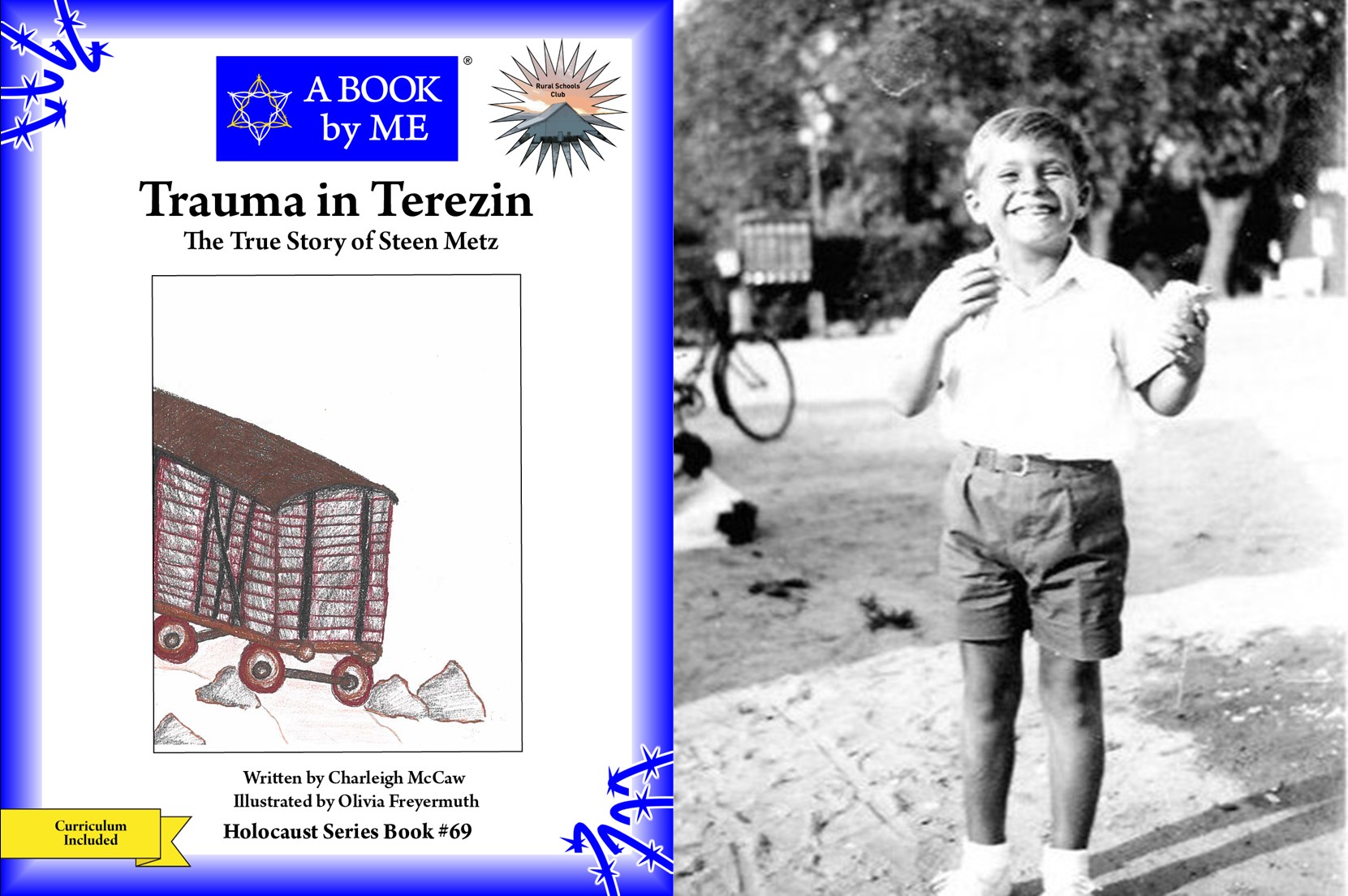
Trauma in Terezin: The True Story of Steen Metz
A BOOK by ME - True Stories Written by Kids for Kids
Written by Charleigh McCaw
Illustrated by Olivia Freyermuth
 Four sets of two students from a rural school district embarked on a project to create a book about Holocaust survivors. We connected with willing subjects: Frank Cohn from Virginia, Eva Kuper from Canada, Ben Lesser from Nevada, and Steen Metz from Illinois. As we guided the students on what was expected of them, an unexpected challenge arose—Ben Lesser fell seriously ill and spent many weeks in the hospital.
I proposed an idea I had been considering for some time: what if the students selected classmates to form a media team for each story they were working on? The students embraced the concept, and as media teams formed I coached them on how to present their ideas to local television and radio stations, as well as the newspaper. They were thrilled when they received interviews across these various media outlets.
We received word that the Jewish Federation of the Quad Cities was willing to pay expenses to have all these students visit the Illinois Holocaust Museum in Skokie, Illinois (near Chicago). The highlight of this experience was meeting Steen Metz in person. The students assigned to his story, Charleigh McCan and Olivia Freyermuth, were especially excited to meet their book subject. He was just as excited to meet them in person too.
Students began wrapping up their projects when we got word that Ben was able to speak with his author and illustrator via Zoom. I’m happy to report that meeting Ben made a huge impact on students Addison Clarke and Jocelyn Yuvan. They were some of the last students to have one on one time with this well known Holocaust survivor before he passed away.
For these students, and their media teams, the stories of resilience, courage and survival have opened their eyes to the importance of remembering the past, fostering empathy and standing against injustice. For these students, these survivors were not just figures in a history book but living reminders of the strength of the human spirit and the importance of tolerance and acceptance in our world today.
Deb Bowen, Executive Director Understanding Works
“The honor of meeting Steen in person was an impactful experience. A survivor’s story is a legacy of hope and resilience. It felt like a bridge to the past with an important lesson for today. May this book encourage those reading it to look to the future where such atrocities can be prevented by this generation.” Charleigh McCaw, Author
-
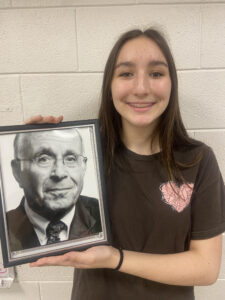
- Author Charleigh McCaw
-
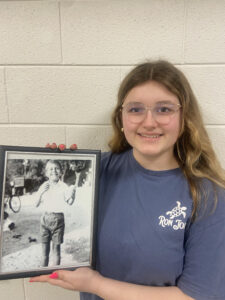
- Illustrator Olivia Freyermuth
-
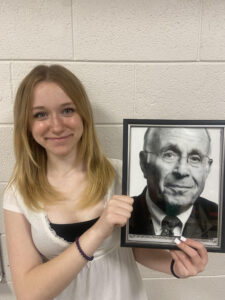
- Media Specialist Taya Nicewanner
Steen Metz – Jewish Holocaust Survivor
Steen Metz was born in Odense, Denmark to proud parents, Magna and Axel Metz. Since his town didn’t have a Jewish synagogue or a school, he was not brought up in the Jewish faith. At that time, Jews comprised only 0.2 percent of the country’s population and were well-integrated into Danish society. Steen attended a public Lutheran school. This was Denmark’s official religion. For Steen, the war began when he was almost five years old. It became increasingly more frightening when he, at age eight, heard soldiers with guns knocking on his family’s door.
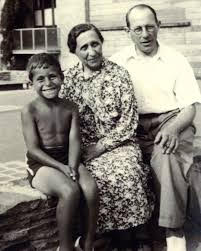
Steen with his paternal grandmother and father
Steen Metz and his parents were arrested and deported to the Theresienstadt concentration camp on October 2, 1943. He was a young child, only eight years old, when he was forced to leave his family home. This Nazi camp was the scene of constant hunger, brutal living conditions and death. Steen’s father Axel died of starvation after less than six months after their arrival. Some 15,000 Jewish children passed through Theresienstadt. Steen is one of fewer than 1,200 who survived. He was lucky.
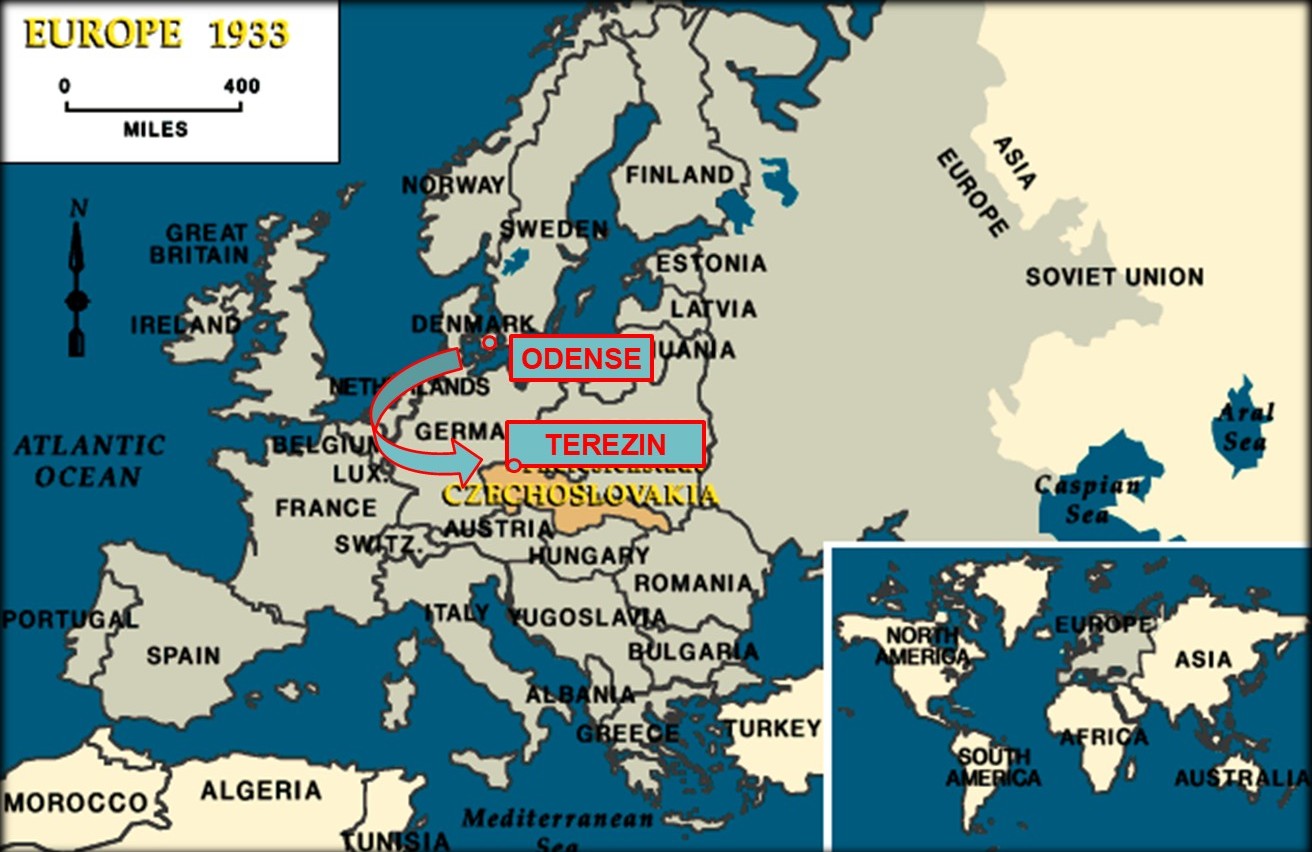
This map shows the distance between Steen’s hometown of Odense and Theresienstadt concentration camp
Theresienstadt was established by the SS during World War II in the fortress town of Terezín. Theresienstadt served as a waystation to the extermination camps. The SS (Schutzstaffel; Protection Squadrons), became a virtual state within a state in Nazi Germany, staffed by German men who considered themselves the “racial elite” of Nazi Germany’s future. Steen’s mother Magna and young Steen spent a total of eighteen months in Theresienstadt. They were liberated on April 15, 1945 by the Red Cross “White Buses.” The Swedish Red Cross White Bus Rescue was a mission by the Swedish Red Cross and the Danish government to rescue prisoners, survivors of Nazi concentration camps, in the last months of World War II. Steen’s and his mother’s exit from this horrible camp happened just one month prior to the scheduled launch of the camp’s newly installed gas chamber.
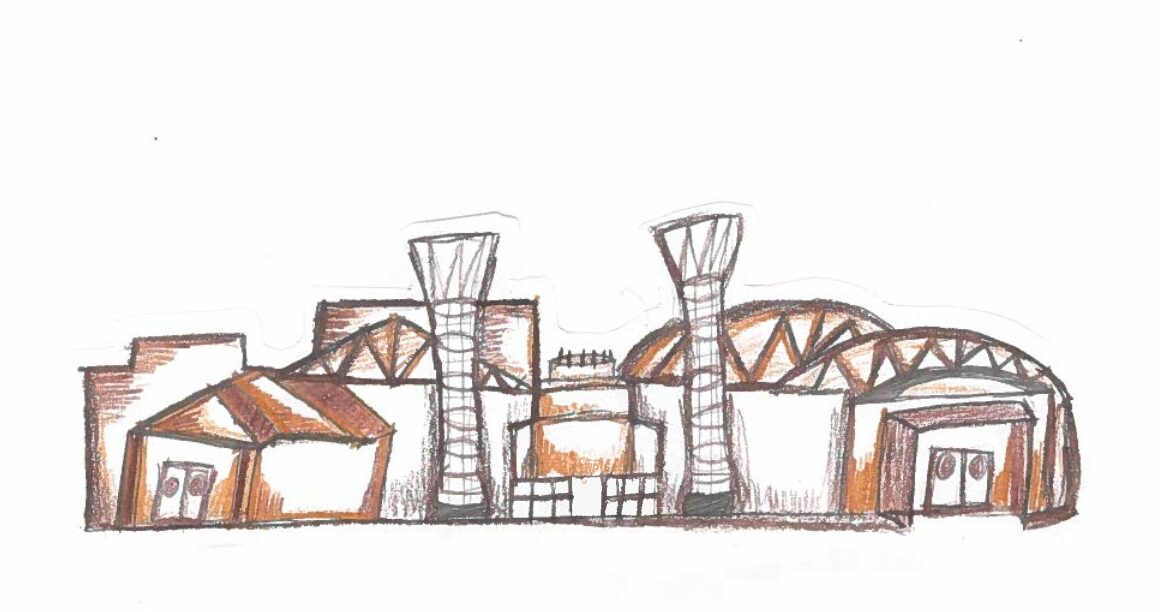
Theresienstadt “camp-ghetto” existed for a total of three-and-a-half years, between November 24, 1941 and May 9, 1945. During its existence, Theresienstadt served three purposes: 1) it served as a transit camp for Jews whom the Germans deported to killing centers, concentration camps, and forced-labor camps in German-occupied Poland, Belorussia and the Baltic States; 2) it was a ghetto-labor camp where the SS deported and then incarcerated certain categories of Jews, based on their age, disability as a result of past military service, and other cultural life; 3) it served as a holding pen for Jews headed for the gas chambers. It was expected that the poor conditions there would hasten the deaths of many, until the SS and police could deport the survivors to killing centers in the East.
When Steen’s family arrived at Theresienstadt, all of their jewelry and money, which the soldiers encouraged them to bring, were confiscated. His parents were separated from each other, which was frightening for the small boy. Then, Steen was placed in a filthy barrack with his mother and other women and children. Theresienstadt was sometimes called “the model camp,”and the Nazis used the camp as a propaganda tool to convince representatives from Denmark and the International Red Cross that they were not mistreating the Jews they were imprisoning. They publicly stated that the purpose for the deportation of the Jews from Germany was their “resettlement to the east.” Theresienstadt was even described as a “spa town” where elderly German Jews could “retire” in safety. In truth, an estimated 33,000 Jewish people were murdered in this “spa” camp, and nearly 90,000 more Jews were deported to points further east to a certain death.
The deportations to Theresienstadt were, however, part of the Nazi strategy of deception. In reality, the ghetto was a place to gather Jewish people for deportations to killing camps in Nazi-occupied eastern Europe. Despite the horrific living conditions and the constant threat of deportation in this camp, Theresienstadt had an incredible cultural life. Top shelf Jewish artists, talent from all across Eastern Europe, created drawings and paintings, some of them displaying the ghetto’s dark reality. Writers, professors, musicians, and actors gave lectures, concerts and theater performances.
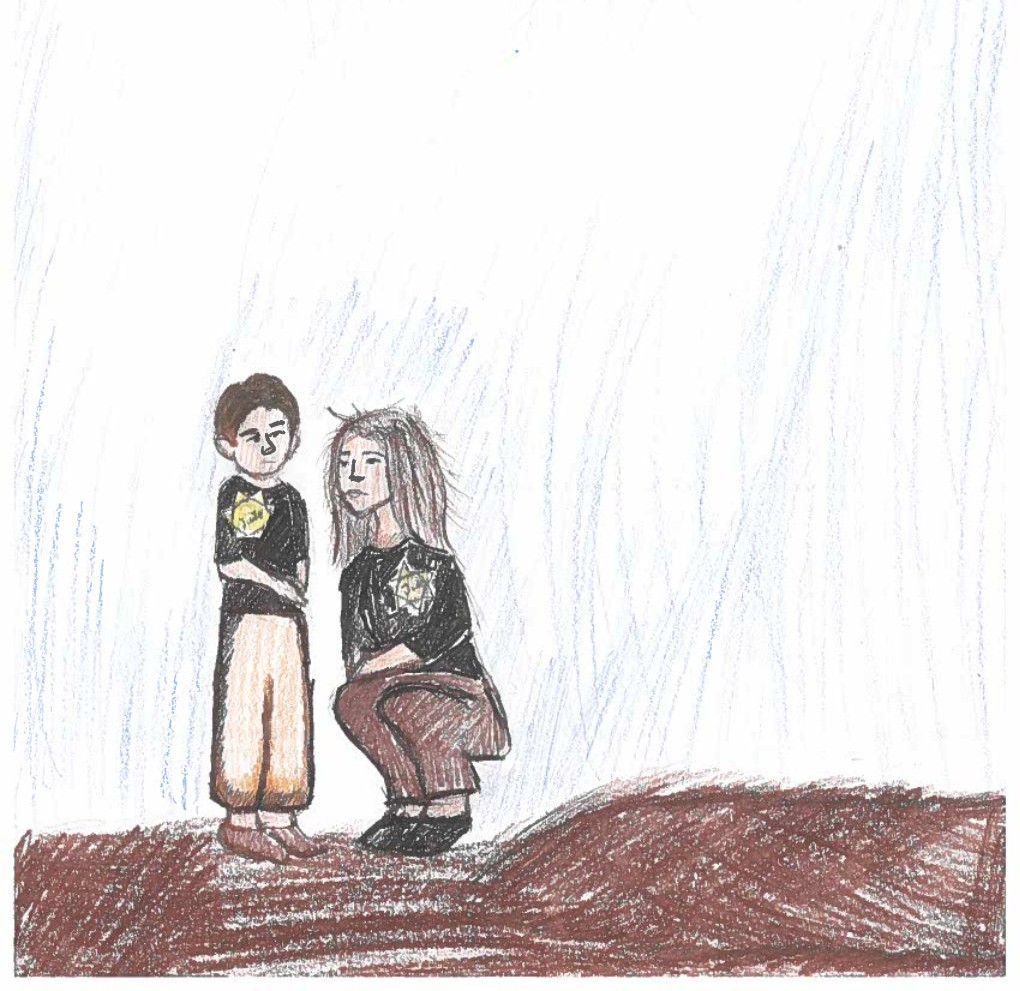
Fifteen-thousand children passed through Theresienstadt. Although forbidden to do so, most children attended private school lessons. They painted pictures, wrote poetry, and tried to maintain normalcy. Approximately 90 percent of these children were murdered. Miraculously, Steen and his mother survived their time in Theresienstadt and were liberated by the Red Cross in April 1945. They returned to their hometown and resumed their lives, with Steen even returning to his old school. As an adult, Steen left Denmark for England and later moved to Canada before locating to the United States in 1962. Steen and his wife Eileen (now deceased) have two daughters and four grandchildren. Steen frequently speaks to students in public schools about his Holocaust experiences in an attempt to prevent the occurrence of future holocausts. Steen and his wife raised their daughters in Deerfield, Illinois, which is a suburb of Chicago. He continued his work in the food industry, working for companies such as Sara Lee, Kraft and McCormick. Steen retired in 1999. He is a member of the speaker’s bureau at the Illinois Holocaust Museum & Education Center in Skokie, Illinois.
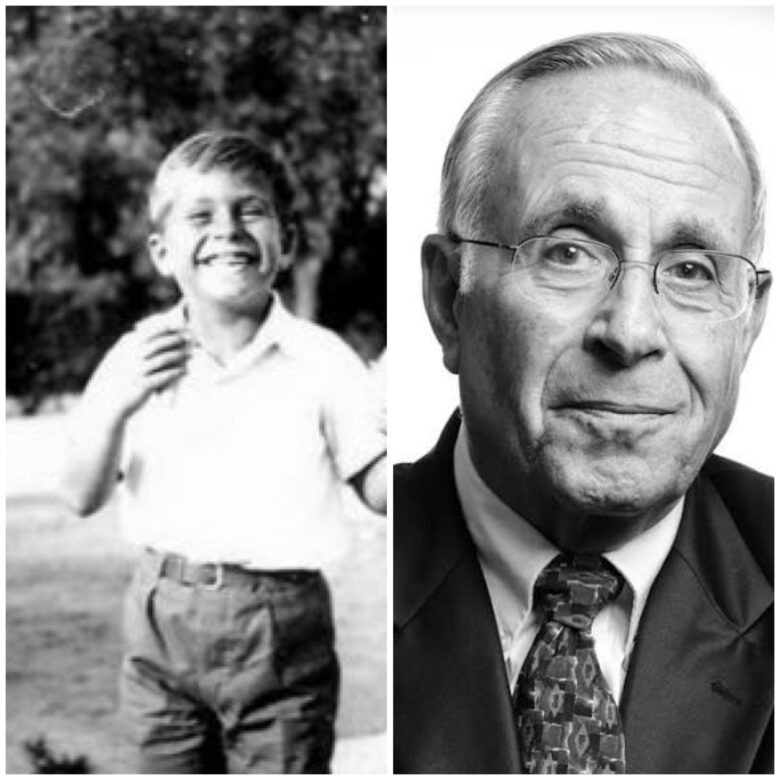
Steen then and now
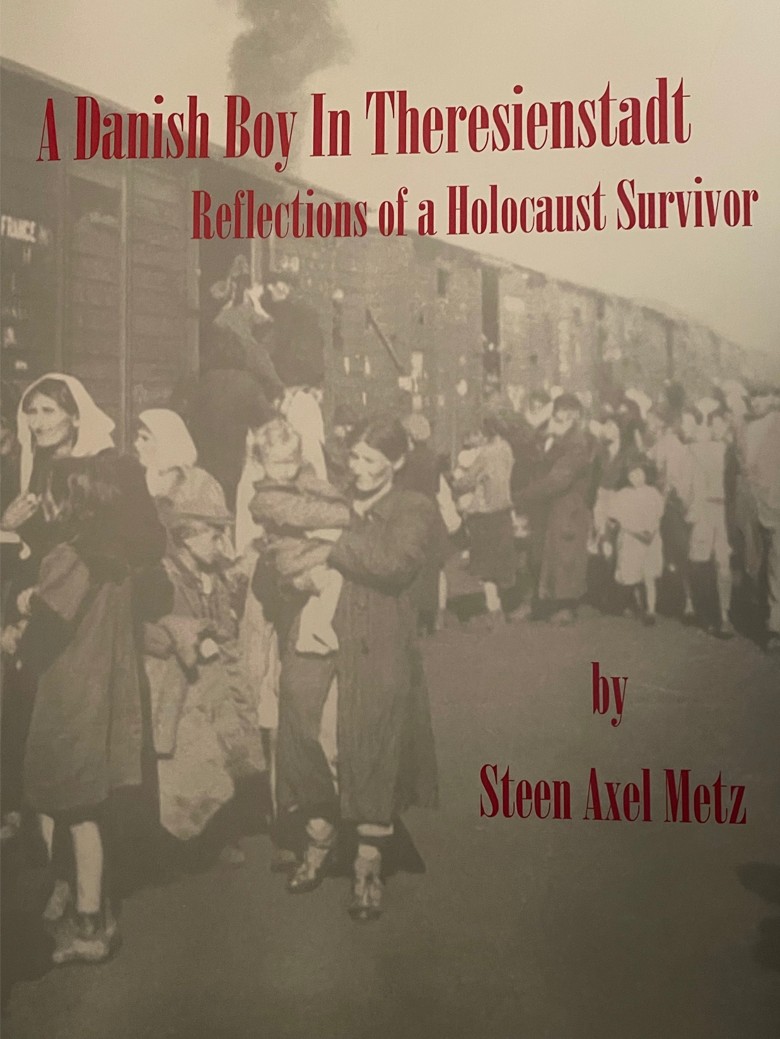
A Danish Boy In Theresienstadt written by Steen Metz
Steen says, “Like many Holocaust Survivors, I kept my war experiences private for many years. In 2011 I was ready to share my story when I completed my memoirs, including a self published book, A Danish Boy in Theresienstadt. You can also read about other Danish Children who were in Nazi Captivity to give you historical background. It is now my life’s work to share my experiences with as many people as possible. I’m determined to keep the stories and memories alive. Since 2012, I have made over 850 group presentations and reached over 130,000 people, mostly students. Initially I spoke to students at middle and high schools, colleges and universities, including an invitation to Brown University in Providence, Rhode Island. Over time I have also spoken at public libraries, senior centers and other civic organizations.”
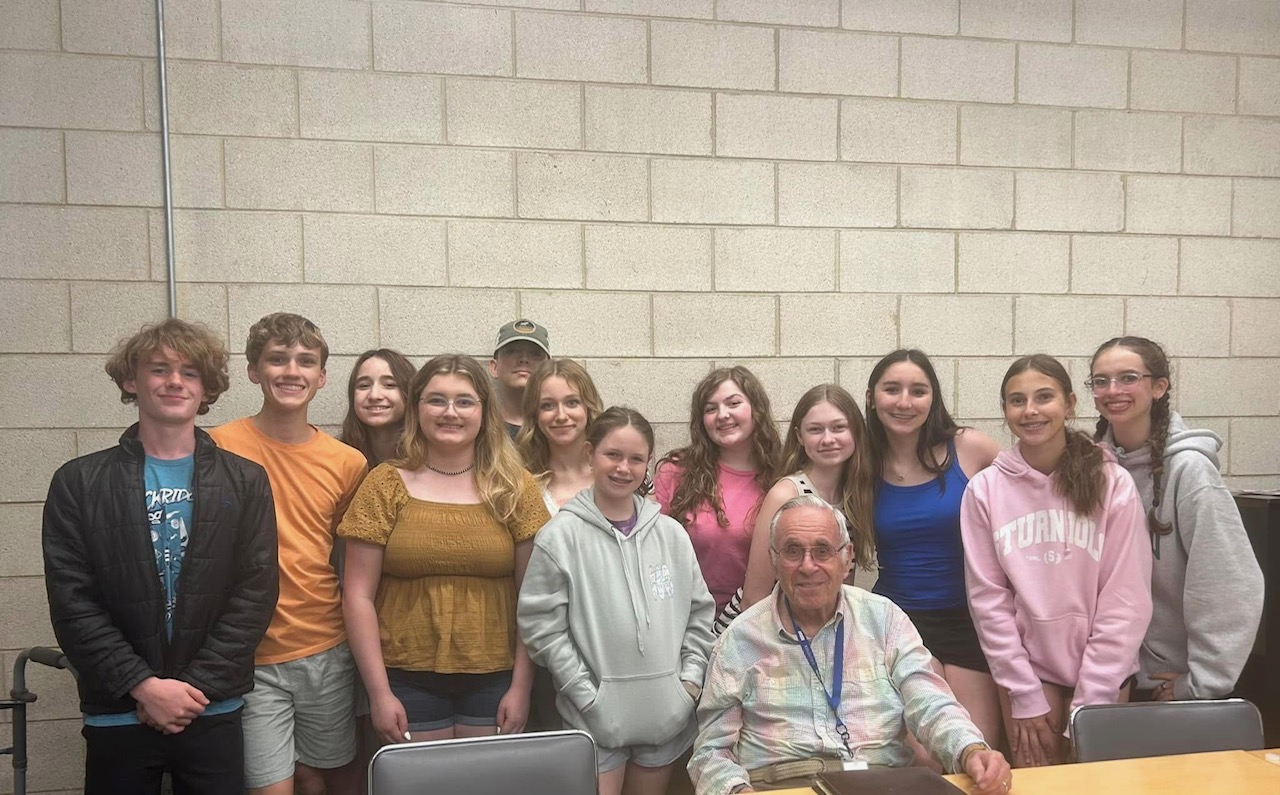
Steen Metz with Rockridge Junior High School 8th Grade Class of 2025, Taylor Ridge, Illinois
Steen has said this is the last generation who will meet Holocaust survivors, so he encourages everyone who hears his story to tell four other people in an effort to keep history alive.
 Trauma in Terezin
A BOOK by ME, a book series developed by Deb Bowen, empowers students to preserve history by telling the story of unsung heroes in our communities. For the young participants, it’s a guided cross-curricular project that gathers stories of people who do amazing things but have received little or no recognition. Students learn how to publish a picture book that is a primary source document with photographs and a biography.
Since 2003, Deb Bowen has been arranging meetings between students and individuals from the WWII generation. This intergenerational storytelling results in unique storybooks written and illustrated by kids for kids in the A BOOK by ME series. More about Deb Bowen >