
A Life in Pieces: The Persistent Journey of Larry Ross
Written & Illustrated by Mrs. Vice’s 6th Grade Class of 2024
A BOOK by ME - True Stories Written by Kids for Kids
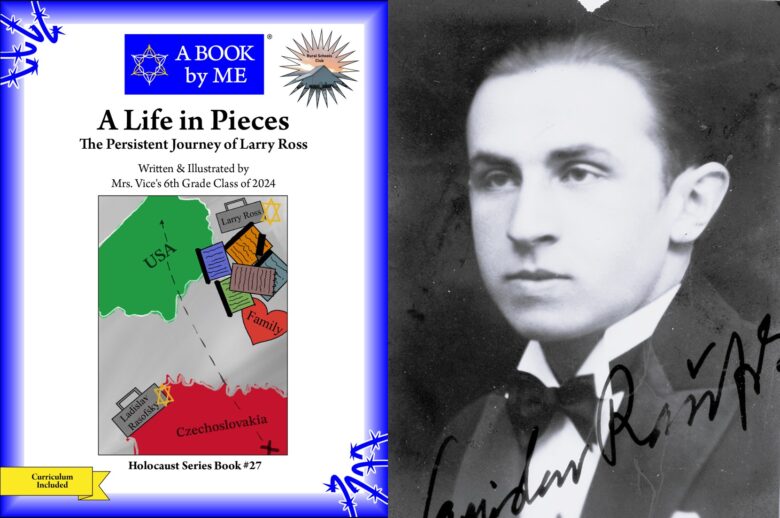
This storybook was created as a graphic novel. I love that the kids gave Larry’s book this title, reminding us that the Holocaust survivors were forced to pick up the pieces of their shattered lives. All while facing the challenge of rebuilding after unimaginable trauma and loss. Larry’s son Allan is an advocate for remembrance and education. Now his own father’s story can be used to combat hatred and promote tolerance.
Also, I love the intertwined story of Hannah Szenes, a Hungarian Jewish poet and resistance fighter well known for her bravery and dedication saving Jews. She saved Larry’s life by taking the attention off him just before her life was sacrificed for the cause. Hannah’s poetry reflects her longing for her homeland and her deep sense of hope and faith in humanity. One of her most famous poems, “Blessed is the Match,” has become an anthem of resilience and courage.
Blessed is the match consumed in kindling flame.
Blessed is the flame that burns in the secret fastness of the heart.
Blessed is the heart with strength to stop its beating for honor’s sake.
Blessed is the match consumed in kindling flame.
Deb Bowen, Executive Director Understanding Works
We chose to share Larry Ross’ story because we felt like many people may not have heard a story about a Holocaust survivor. We pieced together a story filled with truth, injustice, survival, and ultimately freedom. We discovered another layer in WWII as we learned how cruelly Larry and many others in Czechoslovakia were treated during this time.
As authors we tried to focus on Larry’s human story. His journey has not only shaped our heads and our hearts, but also changed us as individuals. We could not have done this without the help of Allan Ross, his son, who has given us his time, answered many questions, and shared his father’s survival story with us.
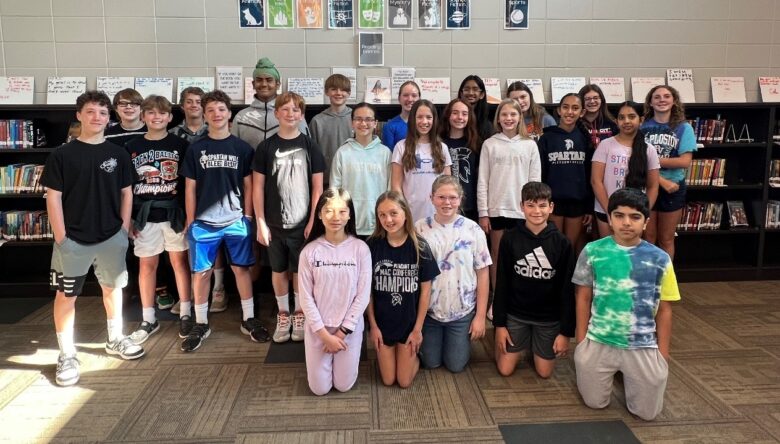
Mrs. Vice’s 6th Grade Class, 2023-2024
Forest Grove Elementary School Bettendorf, Iowa
Larry Ross – Jewish Holocaust Survivor
In the 1930’s, Czechoslovakia was a country full of multiple ethnicities, cultures and religions. It had a strong economic status which followed democratic principles. Because of these things, Hitler was prompted to target the country’s borders and towns.
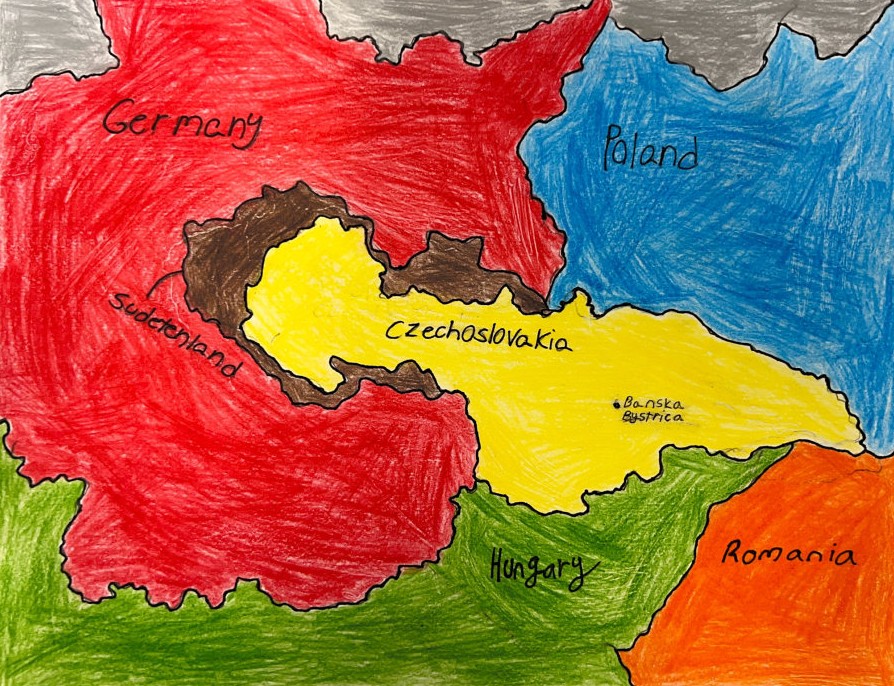
In southeastern Czechoslovakia, the city of Banska Bystrica was known for its agriculture, manufacturing and timber. Here, a young Jewish man named Ladislav Rasofsky (Larry) lived with his family, who owned and operated local sawmills and several farms. Larry was also enrolled in medical school because he wanted to become a doctor and he valued education more than anything. Along with this, he carried a deep desire to help others and to look out for their safety. Around 1939 Larry stopped attending medical school due to Nazi Germany imposing the Education Law forbidding Jews from attending.
In September 1938, the Munich Agreement was signed. This meeting decided the fate of Czechoslovakia and declared the surrender of the Sudetenland to Nazi Germany. The Sudetenland, located in western Czechoslovakia, held most of the Czechoslovakian military defenses and was home to many ethnic Germans. In March 1939, Nazi Germany invaded all of Czechoslovakia, putting Jewish citizens in grave danger.
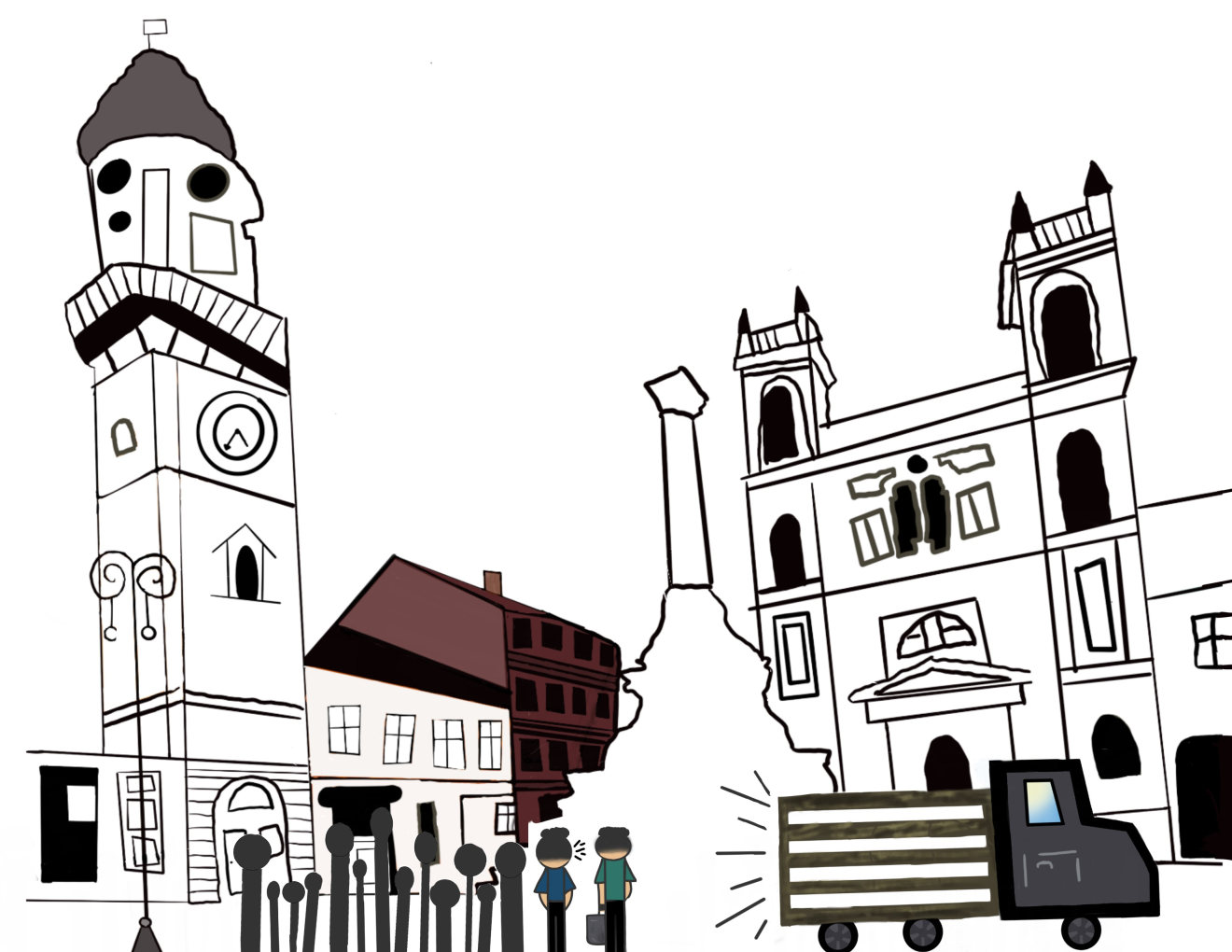
In 1942 a forced round up of Jews in Banska Bystrica to take them to concentration camps occurred in the public square right outside of Larry’s house. When Larry arrived home from a trip, his pregnant wife and mother were tragically taken away with other Jews in this round up right before his eyes. Luckily a gentile friend let him know what was happening, said he could not do anything and that he needed to run and hide or he would be arrested, too.
This would be the decision that saved Larry’s life and kept his story alive. For two years he was on the run from the Nazis, looking for places to hide in hopes of finding his family again. However, it was too late. His wife, mother, and unborn child were never seen again after being deported to Majdanek, a Polish concentration camp.
While Larry was on the run, he was often alone, since being in a group could raise suspicions. Most likely he did receive help from resistance Fighters hiding in the nearby forests.
One day Larry sought refuge under a family’s porch. Suddenly he was spotted by the little girl who lived in the house. She told her parents, and they reported Larry to the Hungarian police who were Nazi supporters. Sometime before June 7, 1944, Larry was arrested.
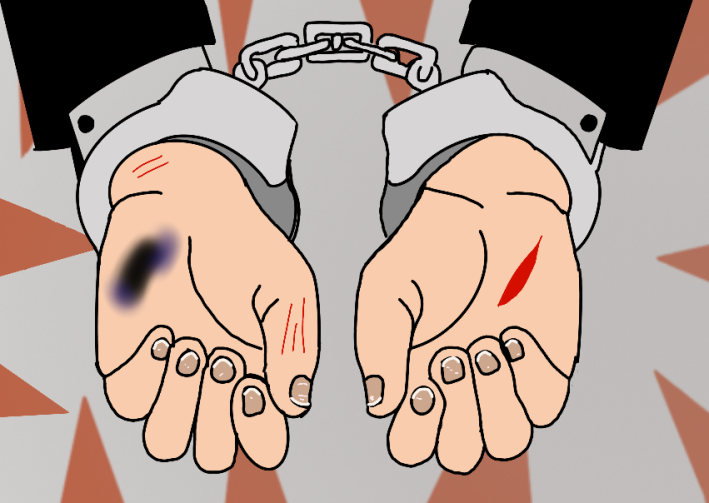
After he was arrested, Larry was taken to a jail near Budapest, Hungary to be investigated by Nazi officials. Little did he know he was about to be given a second chance. On June 7, 1944, Hannah Senesh, a 22-year-old Hungarian poet living in Palestine and a British Special Operations Executive member, parachuted into Yugoslavia. Her mission was to cross into Hungary and help the Hungarian Jews who were being shipped to Auschwitz. As she crossed the Hungarian border, she was immediately captured by Hungarian border guards and sent to jail in Budapest and then murdered. This distraction worked in Larry’s favor as he was freed without being identified as Jewish. Due to these events, Larry forever believed he owed his life to Hannah.
After being released from jail, and after surviving the Soviet Union’s capture of Hungary, in 1945, he worked as a translator for the Soviets in Budapest. Larry spoke many languages, including Slovak, German and Hungarian. Larry was an asset because of his knowledge of these languages as the Soviets tried to “consolidate their power.” Knowing Larry’s personality, he probably agreed to work for the Soviets in the hopes that he could one day reunite with his family.
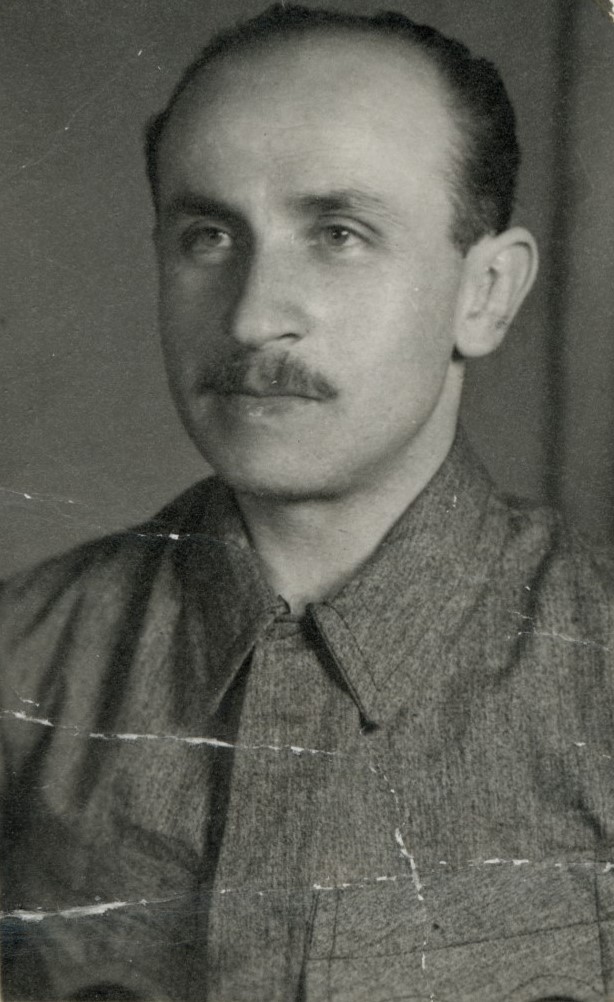
Ladislav Rasofsky (before he changed his name) in Budapest, 1945, after WW2 and the Holocaust
Eventually, when Larry journeyed back to his hometown Banska Bystrica, Czechoslovakia, and found out that his wife and mother did not survive Majdanek. In 1948, when the Soviet Union gained control of Czechoslovakia, they evicted Larry from his home. This forced Larry to continue the process to legally travel to the United States sooner rather than later. Thankfully, Larry’s sister, Vilma, was already in the United States. She helped him obtain the paperwork to move there, too, and would take responsibility for him.
After he received the proper paperwork and with his safety at risk, Larry boarded the ship, Jutlandia, from Copenhagen, Denmark. This began his twelve-day journey to the United States. Larry arrived at Ellis Island, New York on November 30, 1947.
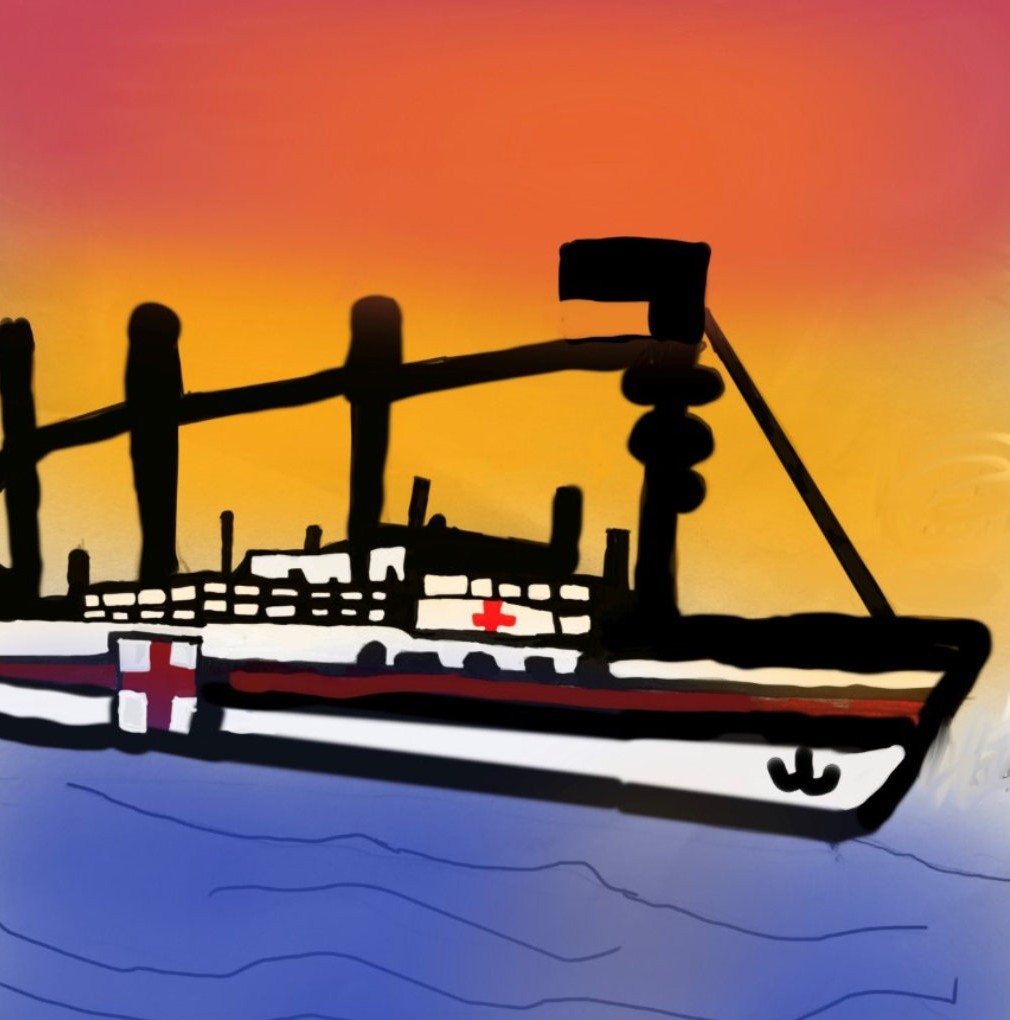
Larry was finally free! He ended up changing his name from Ladislav Rasofsky to Larry Ross in order to blend in and leave the horrors of Europe behind him. In 1948, Larry married Rose Levine and had two sons, Allan and Norman. Seven years later he divorced and married Panni in 1959. Panni was a Holocaust survivor from Budapest. Larry and Panni had a daughter named Susan in 1960.
Trying to establish a normal life proved to be difficult. Living in New York City, Larry had a cluttered apartment with bookshelves that were stuffed. He was very intelligent, but he was never able to pursue his education to become a doctor. To support his family, he became a linotype operator for the New York Times.
Larry always carried a metal briefcase filled with books, newspapers, pens and pencils with him because he was constantly learning and inventing new things. Also, he carried it as a defense against those who tried to bother or rob him.
One day as Larry left for work, his harsh past confronted him once again. He was on his way to the subway and passed the butcher shop like he did every day, when he locked eyes with a man in the window. There was something familiar about the man, but he couldn’t put his finger on it. When he reached work, he had finally realized that the man in the window was the policeman who had arrested him in Hungary. The next day he went back to the butcher shop to confront the man, but when he got there the man was nowhere to be found. Those eyes that once held the fate of Larry, now gave him a sense of mental justice and symbolized a new beginning.
Without stories like Larry’s, the understanding of our human experiences will be left silent. When our voices are silent, truth and injustice will remain filtered and unheard. This causes patterns to repeat and people to continue to perpetuate biases and assumptions. These events are important to record because they help us remember how power is easily misused to change mental models and perspectives. Our job is to not let go of human stories; we must hold on to them and be willing to uncover and question behaviors and decisions. It’s our responsibility to expose and understand the pieces from our past in hope for a better tomorrow.
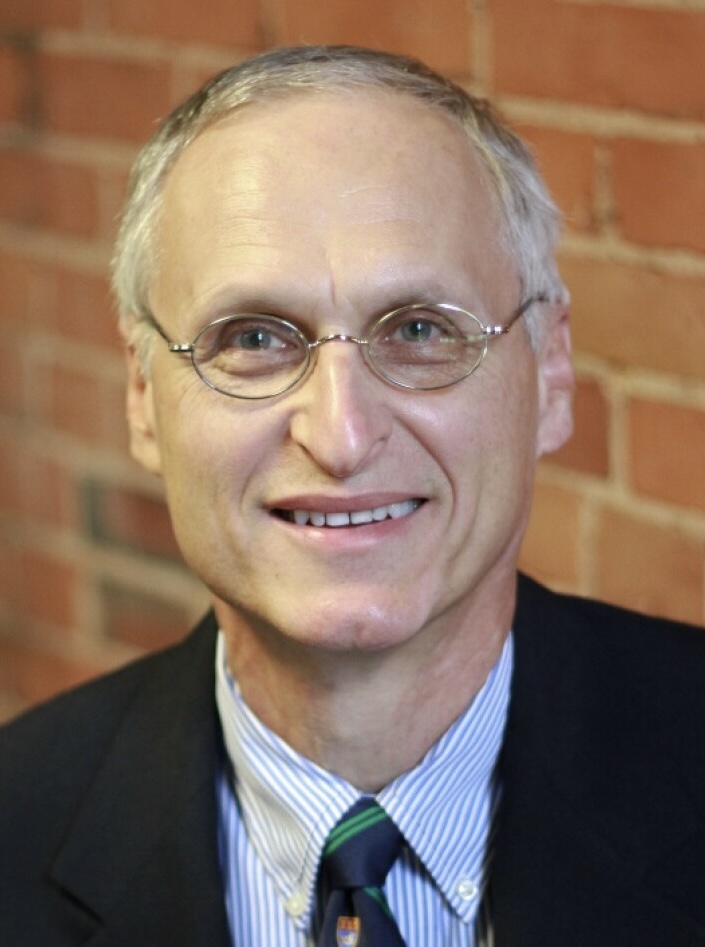
Larry’s son, Allan Ross Executive Director of the Jewish Federation of the Quad Cities
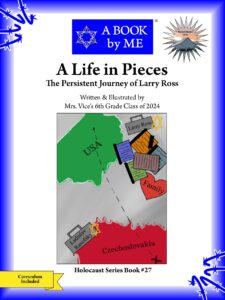 A Life in Pieces: The Persistent Journey of Larry Ross
A BOOK by ME, a book series developed by Deb Bowen, empowers students to preserve history by telling the story of unsung heroes in our communities. For the young participants, it’s a guided cross-curricular project that gathers stories of people who do amazing things but have received little or no recognition. Students learn how to publish a picture book that is a primary source document with photographs and a biography.
Since 2003, Deb Bowen has been arranging meetings between students and individuals from the WWII generation. This intergenerational storytelling results in unique storybooks written and illustrated by kids for kids in the A BOOK by ME series. More about Deb Bowen >